
About Neonatal Respiratory Distress Syndrome
Neonatal respiratory distress syndrome (or hyaline membrane disease) happens when a premature baby’s lungs are not fully developed and cannot provide enough oxygen. This causes breathing difficulties and is due to a lack of a substance called 'surfactant', which is made up of proteins and fats. Surfactant helps to keep the lungs inflated, and babies usually develop it between 24 – 28 weeks of pregnancy.
A baby born prematurely may not have enough surfactant in their lungs, which is a common complication of premature birth, affecting around 50% of babies born before 28 weeks.1 While a serious and critical medical emergency, medical advances have improved survival for even the smallest babies.2

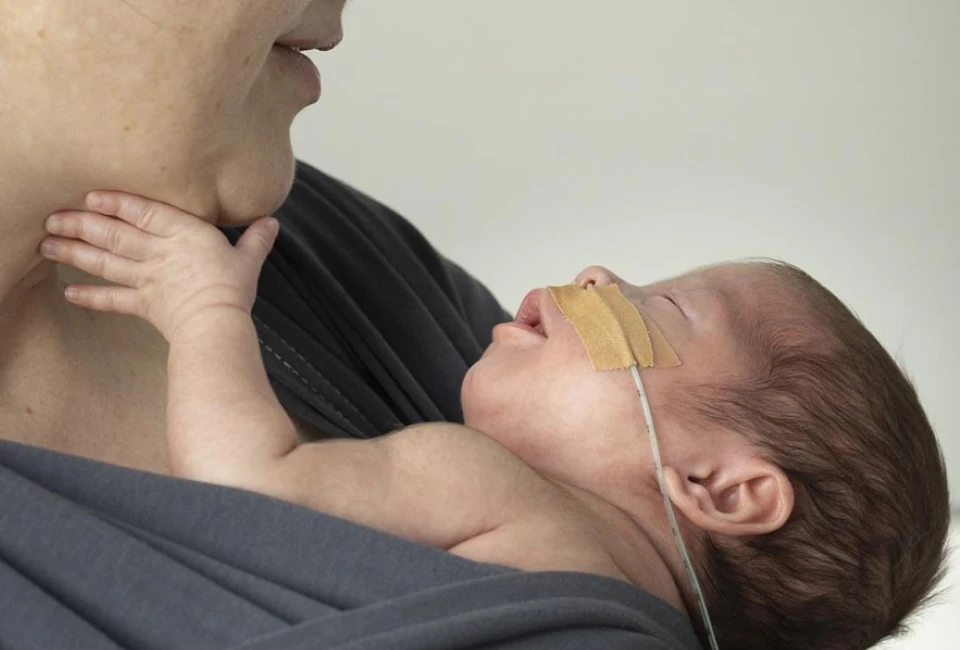
About Apnoea of Prematurity
Apnoea of prematurity is a very common condition affecting a premature baby's breathing. It usually affects babies born at less than 35 weeks of pregnancy and is due to the baby's underdeveloped brain to lung communication which causes them to stop breathing for short periods. The condition is treatable and improves as the baby continues to develop outside of the womb.3
About Transplantation
Advances in liver and kidney transplantation has meant that thousands of people who otherwise would have been unable to survive organ failure have been given a second chance at life.
Despite these advances, there are continued challenges in accessing the care people living with organ failure need including shortages in organs and complications with long-term management of transplanted patients.
We are committed to supporting healthcare professionals and patients to drive continued improvements.


About Cardiovascular Disease
Although substantial progress has been made in the diagnosis and treatment of cardiovascular disease, it remains the leading cause of death globally, with nearly half of these deaths due to reduced blood flow to the heart.4
Chiesi is proud to provide therapies for use during coronary angioplasty, which is a procedure used to widen blocked or narrowed coronary arteries (the main blood vessels supplying the heart).
The term "angioplasty" means using a balloon to stretch open a narrowed or blocked artery. However, most modern angioplasty procedures also involve inserting a short wire mesh tube, called a stent, into the artery during the procedure. The stent is left in place permanently to allow blood to flow more freely. The combination of coronary angioplasty with stenting is usually referred to as percutaneous coronary intervention (PCI).5
About Autoimmune Diseases
Chiesi provides solutions for a range of serious, chronic autoimmune diseases including ulcerative colitis (a disease of the colon), rheumatoid arthritis, osteoarthritis arthritis and ankylosing spondylitis (all affecting the joints).

References
- Newborn respiratory distress syndrome [Internet]. nhs.uk. 2018. Available from: http://www.nhs.uk/Conditions/Respiratory-distress-syndrome/Pages/Introduction.aspx
- Sweet DG et al. Neonatology 2019;115:432-450
- HSGGC - Apnoea of Prematurity [Internet]. www.clinicalguidelines.scot.nhs.uk. Available from: https://www.clinicalguidelines.scot.nhs.uk/nhsggc-guidelines/nhsggc-guidelines/ neonatology/apnoea-of-prematurity/
- Bergmark BA, Mathenge N, Merlini PA, Lawrence-Wright MB, Giugliano RP. Acute coronary syndromes. The Lancet. 2022 Apr 2;399(10332):1347-58
- NHS. Overview - Coronary angioplasty and stent insertion [Internet]. NHS. 2019. Available from: https://www.nhs.uk/conditions/coronary-angioplasty/
UK-CHI-2600721 | October 2026