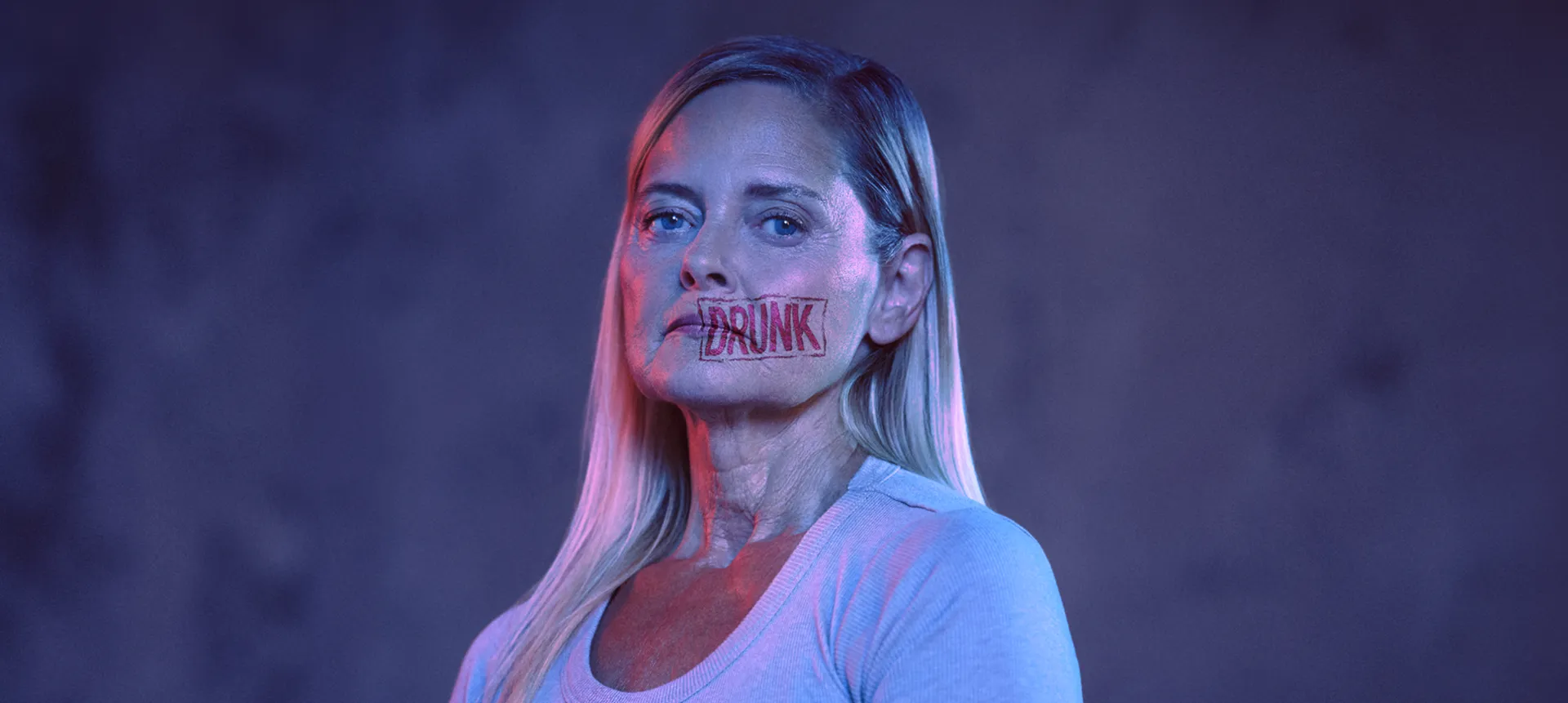
Sara is living with chronic obstructive pulmonary disease (COPD) and asthma, she was negatively labelled due to her health condition.
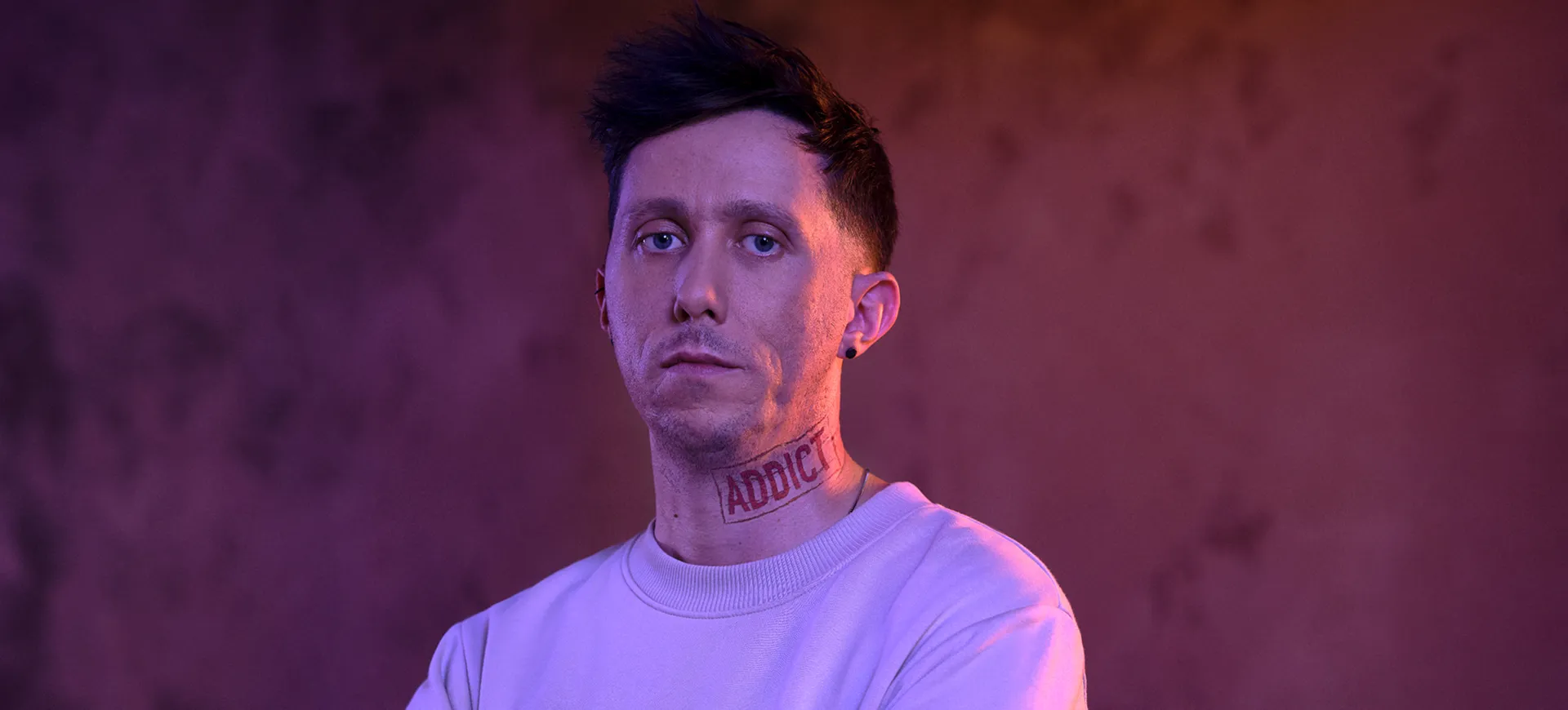
Ben is a liver transplant recipient and is living with a rare liver disease, he was negatively labelled due to his health condition.
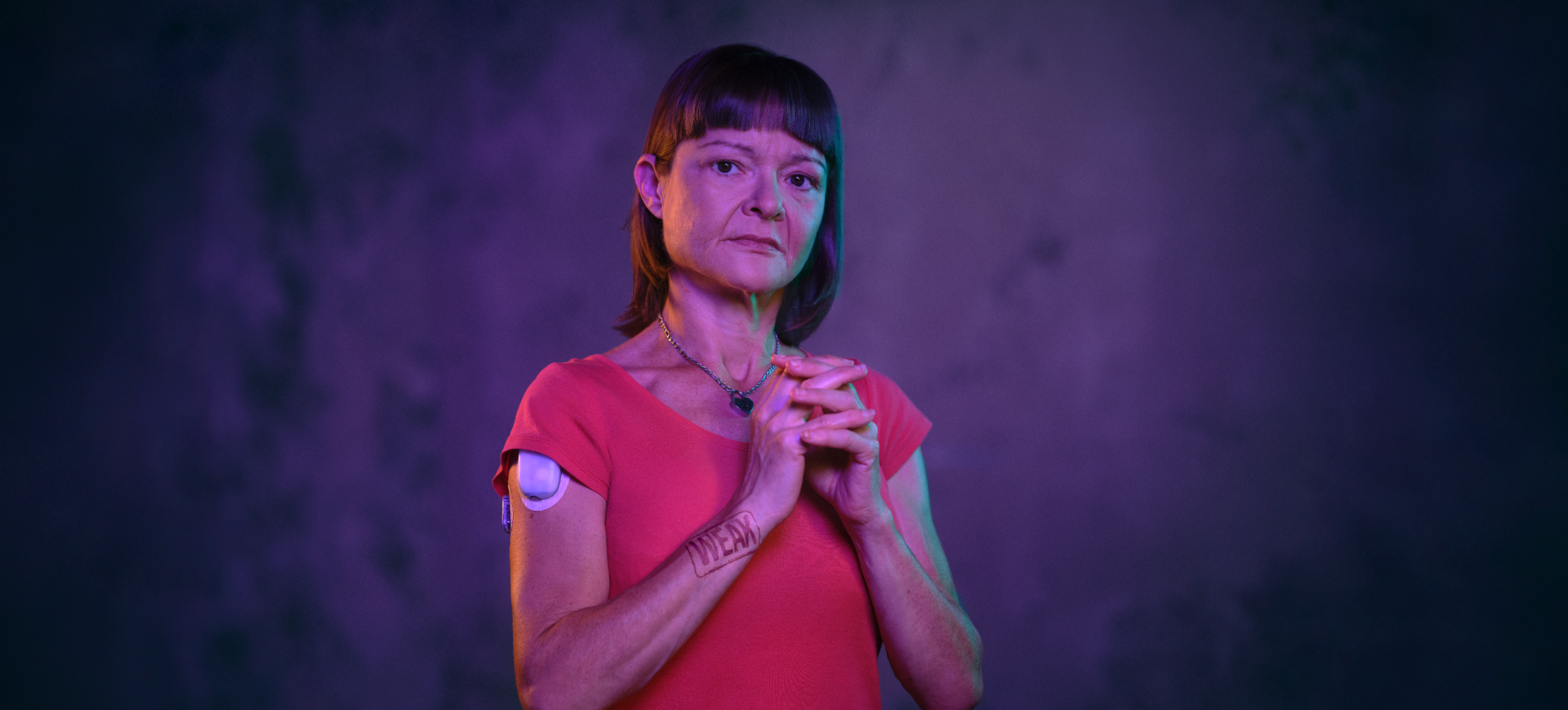
Sue is a mother of three children born prematurely, she was negatively labelled due to her health experiences.
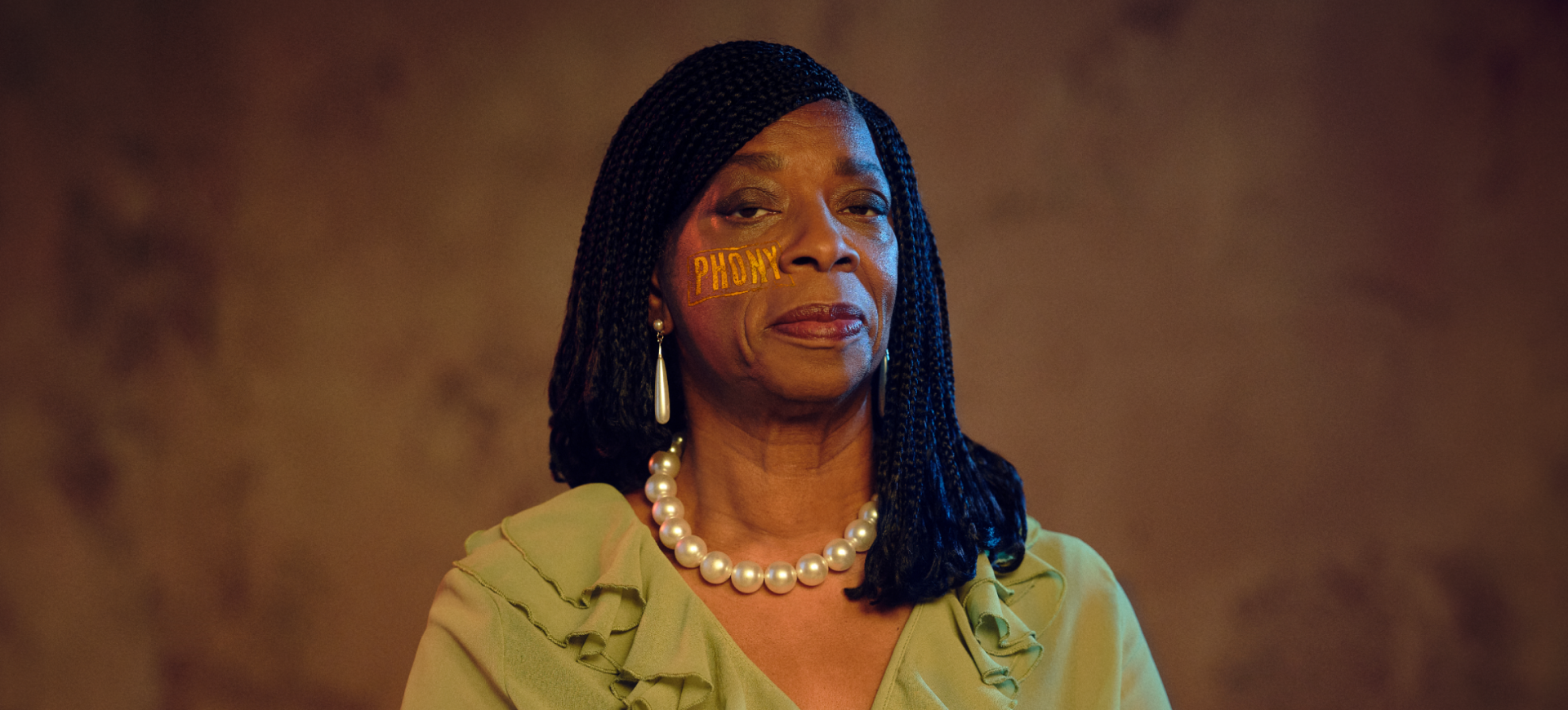
Patricia is a kidney transplant recipient, she was negatively labelled due to her health condition.
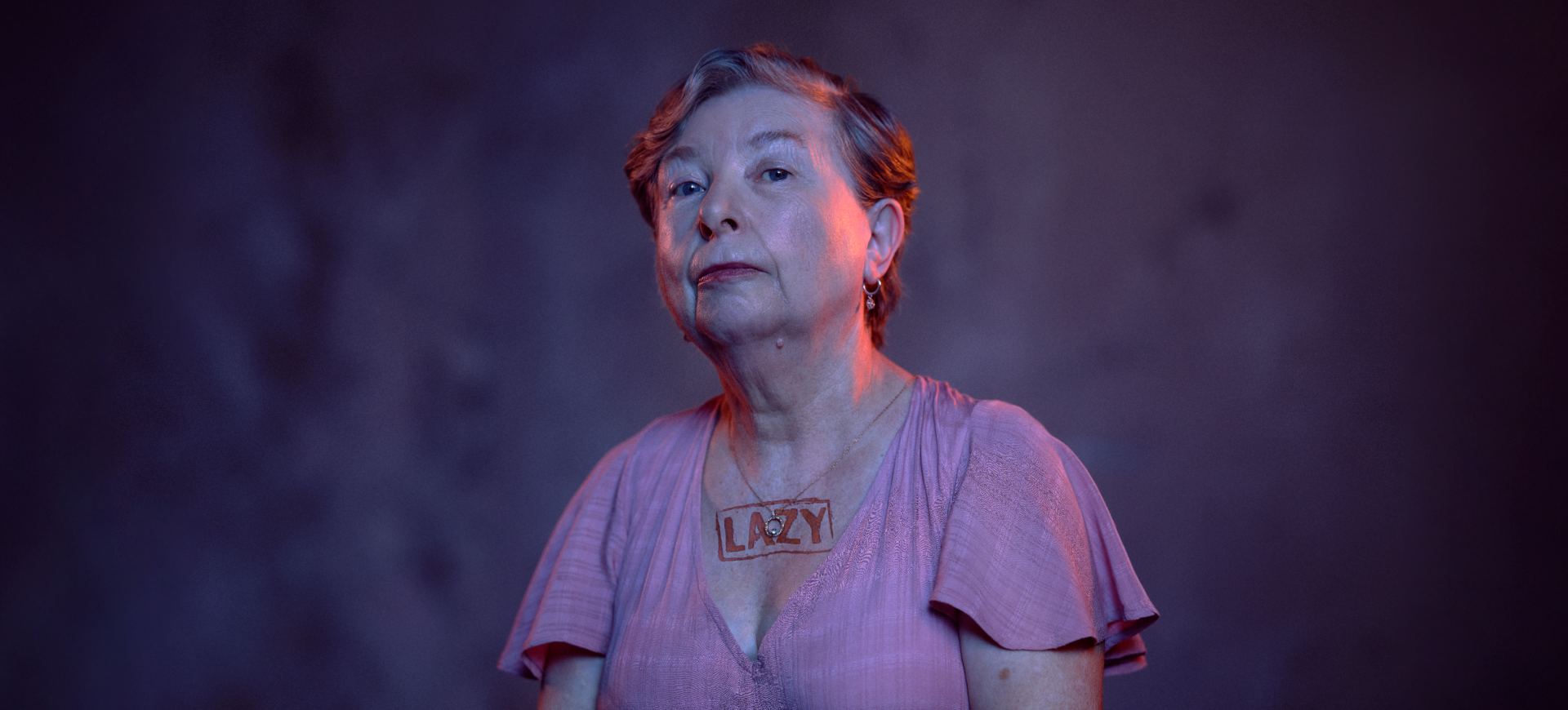
Jacqueline is living with COPD, she was negatively labelled due to her health condition.
We all jump to conclusions. It's human nature.
We have evolved to form assumptions based on what we see and have seen before.
But how often do those assumptions lead us to the wrong conclusion?
And who are those assumptions actually serving?

Look Beyond the Bias is our commitment to challenging bias in the form of stigma, judgement and blame. Particularly for people with health conditions, bias is both common and damaging.
In a Chiesi survey of 1,148 people across the UK, 70% say they had experienced stigma, judgement or blame due to their health condition.
Bias was reported across a wide range of conditions, from asthma and chronic obstructive pulmonary disease (COPD) to premature birth, rare diseases and liver and kidney transplant, shaping not only how people are treated but what support they access.
These experiences reflect wider health inequalities, where stigma contributes to delayed diagnosis, late treatment and poorer outcomes.
HEAR FROM PEOPLE WHO HAVE EXPERIENCED HEALTH RELATED BIAS
“We come into healthcare professions with a desire to help, to make a change and improve lives. Unless we understand the biases that exist and listen to those who have experienced them first hand we will fail in our core convictions. Bias creates a barrier. It is a barrier to excellent care, a barrier to people living their best lives and a barrier to a better society for all. We need to break down the barriers and look beyond the bias.”
Rachel Voller, Advanced Nurse Practitioner at Moreton & Meols Primary Care Network (PCN)
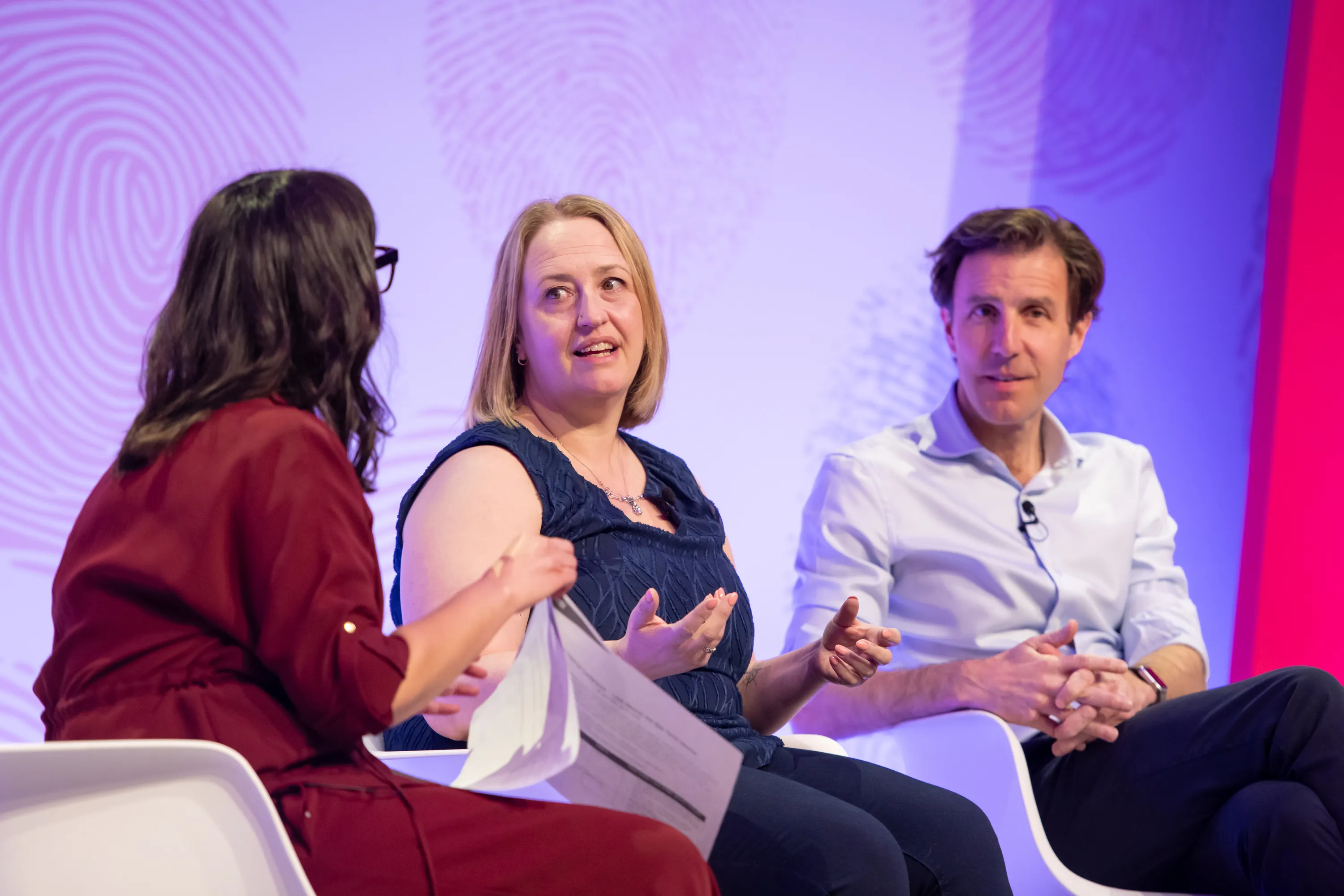
“After being diagnosed with asthma at a young age, I experienced the same assumptions that many people do when diagnosed with respiratory conditions. Chiesi’s Look Beyond the Bias campaign highlights how stigma can affect so many of us, and why it’s so important to speak up. Health related bias shouldn’t be a barrier for anyone and by shining a light on it through this campaign, we can help ensure that everyone feels valued and empowered with the confidence to get the care and support they deserve.”
Dame Laura Kenny, Britain’s most decorated female Olympian

Stories Of Bias
Liver transplant recipient with rare liver disease
Living with asthma and chronic obstructive disease (COPD)
Mother of three children born prematurely
“Many kidney transplant and rare kidney disease patients continue to face bias and unfair judgment that directly affects their care and emotional well-being. In a Chiesi UK survey, patients reported feeling dismissed, misunderstood, or stereotyped because of their condition, with this impacting access to timely treatment and support. These findings underline an urgent need for greater awareness, training, and patient‑centred approaches across healthcare, ensuring no one’s kidney journey is made harder by prejudice or inequality.”
Pete Revell, Head of Marketing and Fundraising, National Kidney Federation
“The British Liver Trust stands with all patients against stigma. Everyone with liver disease and with other long-term conditions deserves dignity, respect and empathy. No matter the cause of liver damage, no one gets liver disease on purpose, and no one should be blamed for their condition.”
Vanessa Hebditch, Director of Policy and Communications, British Liver Trust
BIAS comes from all directions
It is everywhere - whether that's in healthcare, education, the workplace, or even in everyday social interactions.
We’re not just calling it out - we’re acting on it. That means looking inward at our own business, and outward into our local communities, to identify and challenge bias wherever it shows up. Because creating fairer opportunities starts with recognising where the playing field isn’t level - and doing something about it.
Potential is everywhere - but opportunity isn’t.
We are focused on tackling bias and creating fairer opportunities - starting with youth employment in Greater Manchester. In a region where 20% of 17–25-year-olds struggle to find meaningful work, young people are not only missing out on training and experience,1 but also facing stigmatisation - labelled as “lazy” (23%), “entitled” (27%) and “overly sensitive” (34%).2 While our work begins in Manchester, our ambition is to support young people across the UK.


In partnership with BW3, Manchester City Council, Barnardo’s and the Department for Work and Pensions, we’re working within the community to challenge harmful stereotypes and create more inclusive pathways into employment. By bringing together voices from business, public and third sectors, we’re building long-term partnerships to support young people who are too often overlooked.
This isn’t a one-off. It’s a movement.
Through mentoring, workshops and skills-building sessions, we’re helping young people gain the confidence, experience and support they deserve. And we’re just getting started. Internships, long-term mentoring and deeper community partnerships are already in motion.
Because backing potential means showing up - again and again.

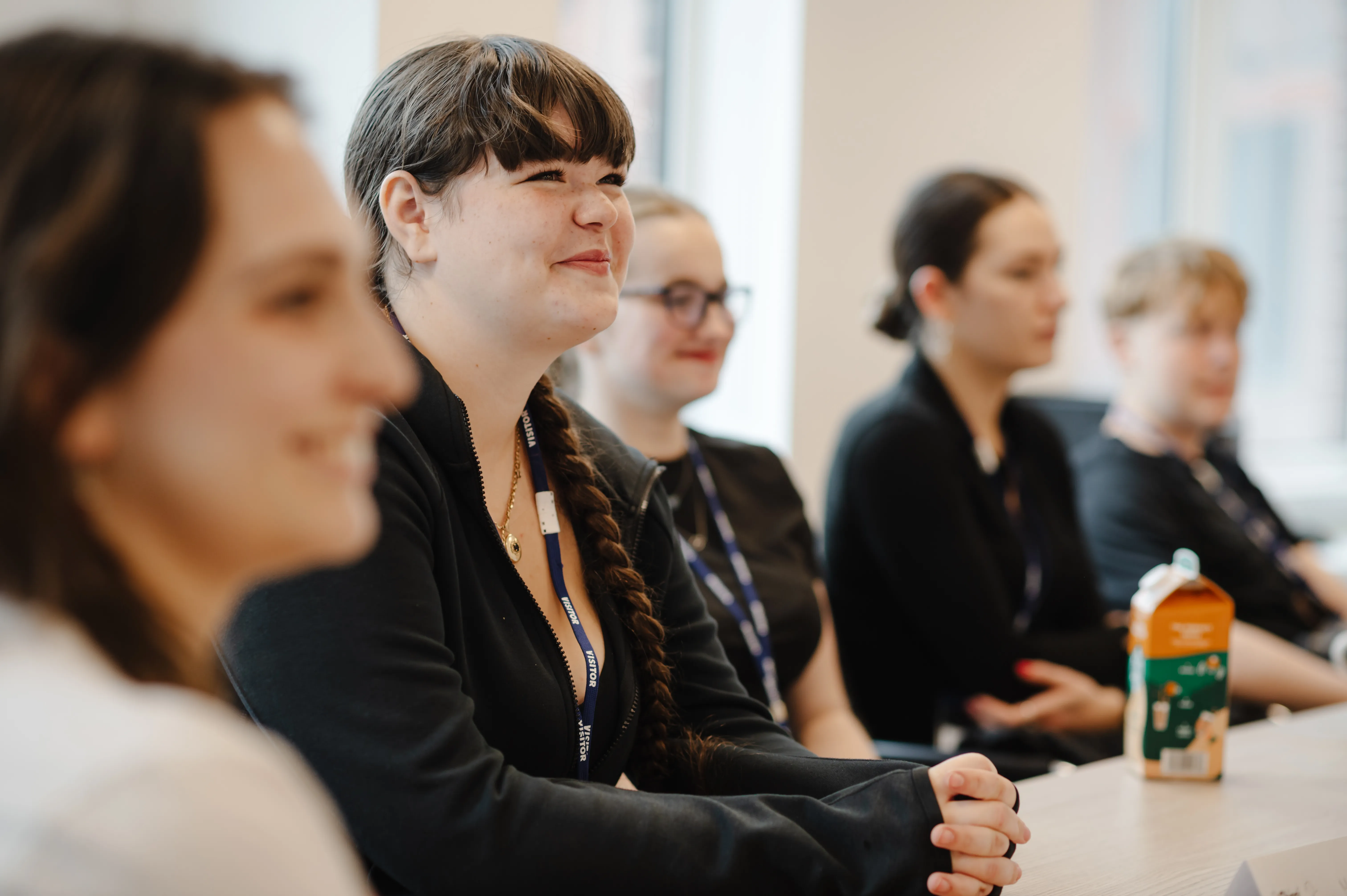

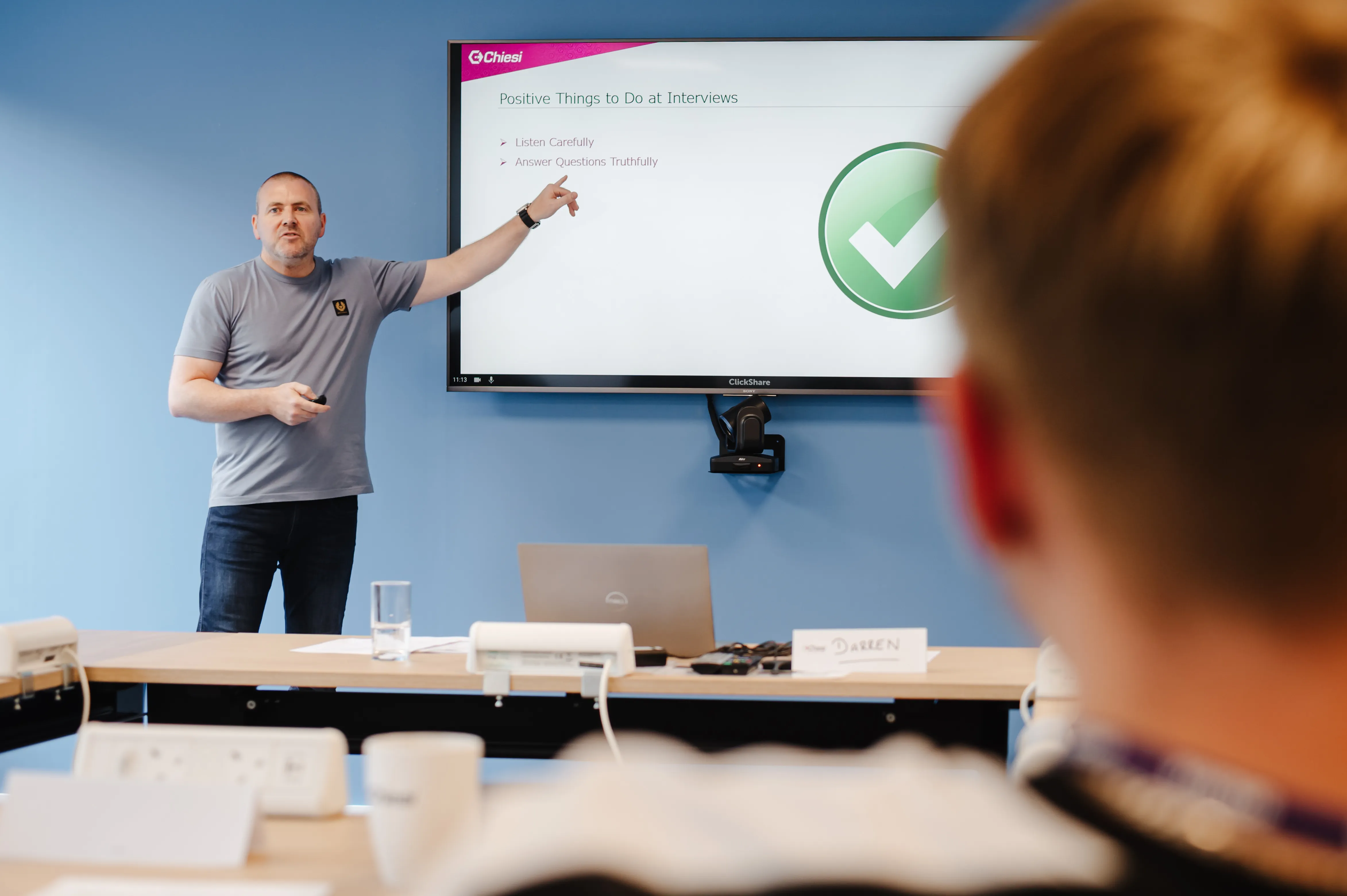
“Events like this provide that extra help and support young people need as they take their first steps into the world of work.”
Darren Winsor, Learning and Development Training Manager, Chiesi UK
Following the success of our WeACT programme, which supports young people facing barriers to employment, we have strengthened our commitment in 2026 by further tackling the negative stereotypes that often reduce young people to limiting labels.2
Through the 12 week RISE programme, delivered by Agent Academy, we placed young people in the role of consultants - equipping them with the skills, confidence and networks needed to access meaningful career opportunities. Supported by experts from Chiesi and beyond, participants explored what future talent expects from employers and co-developed practical recommendations to help organisations attract and support young people in a more inclusive way.

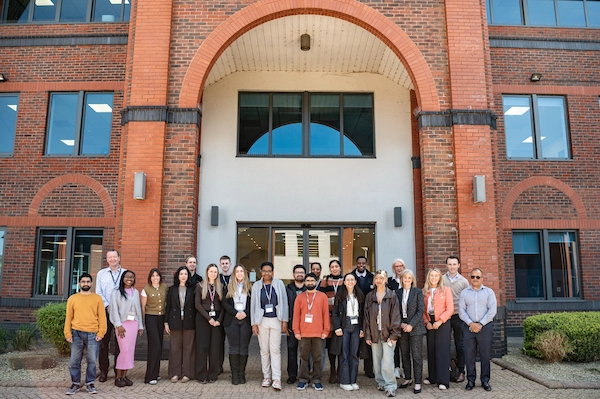
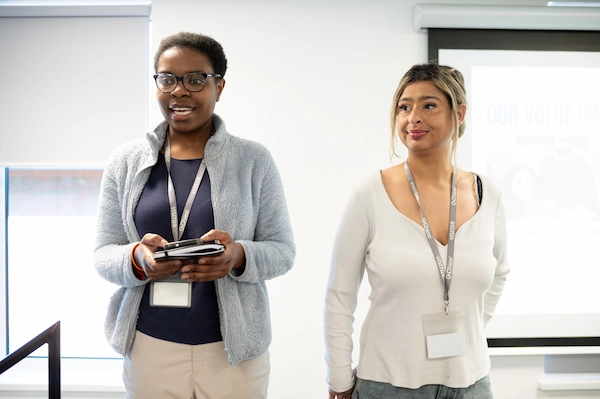

As well as identifying bias affecting our patients and local communities, we are looking within at our internal policies and structures, alongside external experts, to identify and address unconscious bias.
While this is a continuous process, we have already taken important steps, including:
We provide competency questions to people attending interviews for Chiesi roles ahead of time. This method is proven to support neurodiverse people as well as relieving feelings of anxiety that impact some people’s ability to feel their best during interviews. Our aim is to get the best out of people, not trip them up.
We worked with Inclusive Employers to review all of our policies for language or practices that may encourage bias and are implementing the results.
We’re working with Human Kind to provide training to all Chiesi managers on recruiting and onboarding new team members without bias.

People living with rare diseases are often misrepresented - or not represented at all - in conversations about their conditions.
Research published in Rare journal by Chiesi and Metabolic Support UK found that 80% of people living with rare diseases want to see authentic images of people like themselves, rather than unrealistic or generic stock photos in information or materials.3 Without this representation, people can feel excluded from vital conversations rendering them invisible.
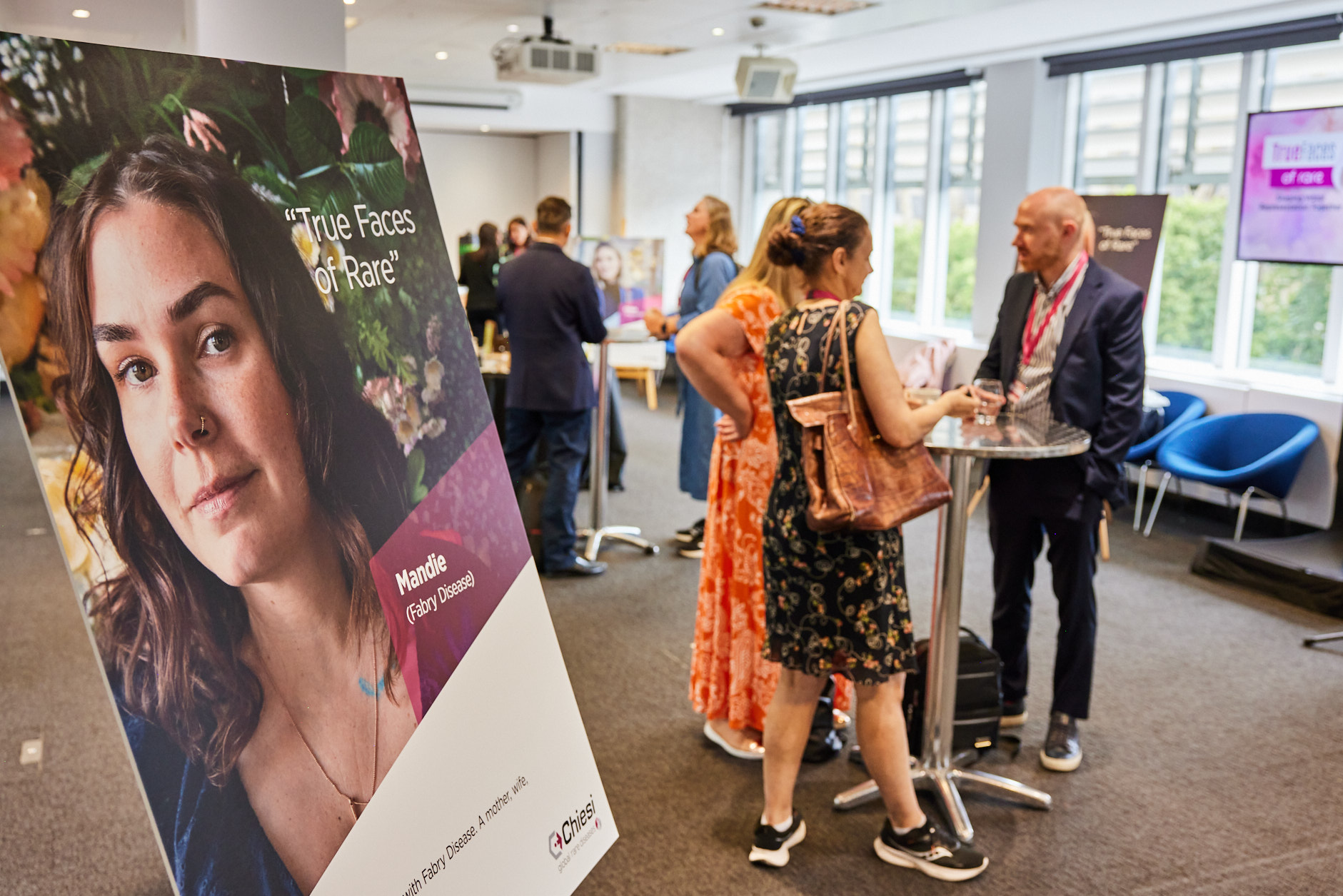
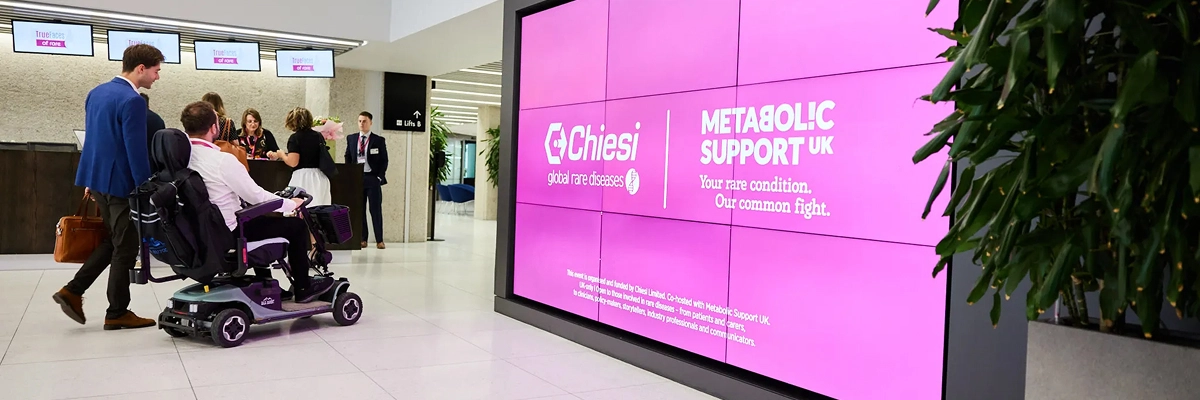
Our ‘True Faces of Rare’ initiative brings together patients, advocates and healthcare professionals to reshape how rare diseases are visually portrayed - challenging the bias that sidelines real experiences and reinforcing the message that everyone deserves to be seen as they are.
We have now pledged to use real images of people affected by rare conditions in content about their condition.

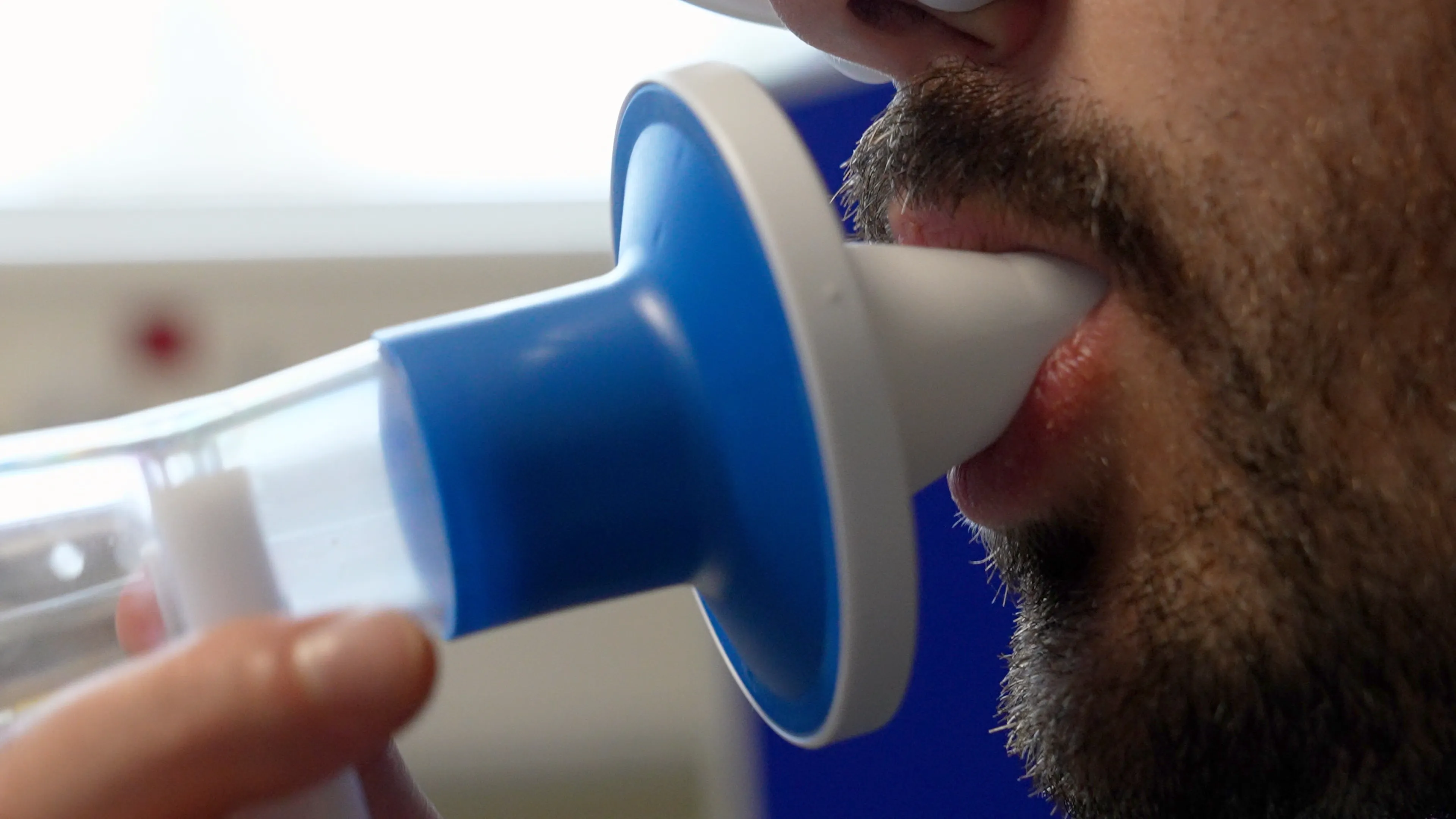
Too often, people living with COPD are diagnosed late - after years of symptoms, missed opportunities and avoidable deterioration.4 This delay is leading to poorer outcomes for patients and puts unnecessary pressure on the NHS.5
In our recent survey, many people living with COPD described feeling judged or stigmatised - particularly if they have a history of smoking. This stigma can lead individuals to downplay their symptoms, avoid seeking medical help, or delay discussing their concerns with a healthcare professional. Younger patients, or those without a smoking history, also shared that they often didn’t see themselves as someone “at risk,” contributing further to underreporting.
80% of respondents living with COPD played down the impact their condition is having on them and 59% avoid seeking medical care.6 This isn’t just about perception - it directly affects access to timely diagnosis and care.
That’s why we’re working with clinicians, patient advocacy groups and policymakers to inspire change within the system.
Through our collaborative working projects with the NHS, we’re exploring new ways to identify people at high risk of COPD earlier - before they arrive in A&E departments. These projects are testing targeted screening models, including spirometry and follow-up care, in both hospital and community settings, that can improve patient outcomes and save the NHS money in the long-term.
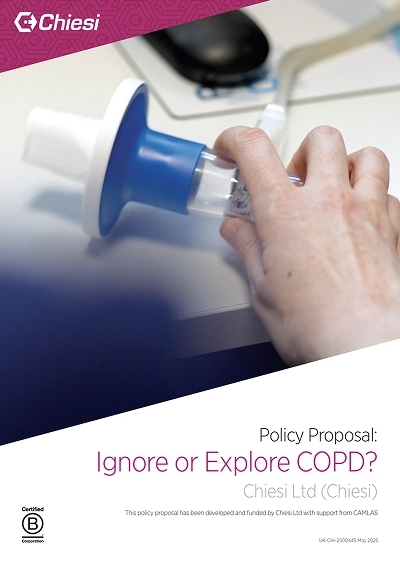
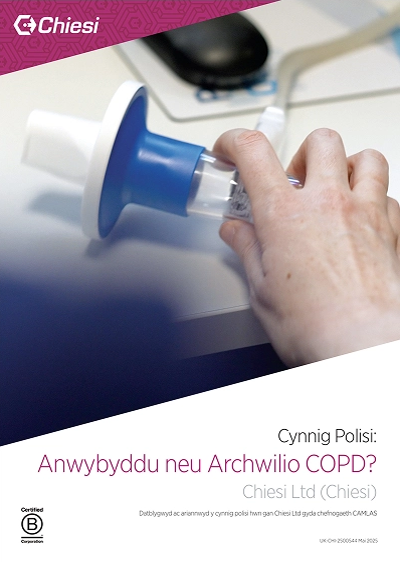
We also launched a policy proposal in Wales - 'Ignore or Explore COPD?’, calling on the Welsh Government to integrate simple lung function tests into future lung cancer screening programmes. Together, we’re making the case for earlier diagnosis - not just with data, but with empathy. Because behind every missed diagnosis opportunity is a person who feels that they have been left behind.
“Stigma around lung conditions is too often ignored, but the damage it causes is far reaching. Our research shows people with lung conditions often feel judged as lazy or unfit, avoided on public transport because of their cough, or too embarrassed or guilty to seek the medical help they need. With 12 million people in the UK expected to develop a lung condition in their lifetime, we must break down these barriers so everyone can access the care they need and deserve.”
Jonathan Blades, Director of External Affairs, Asthma + Lung UK

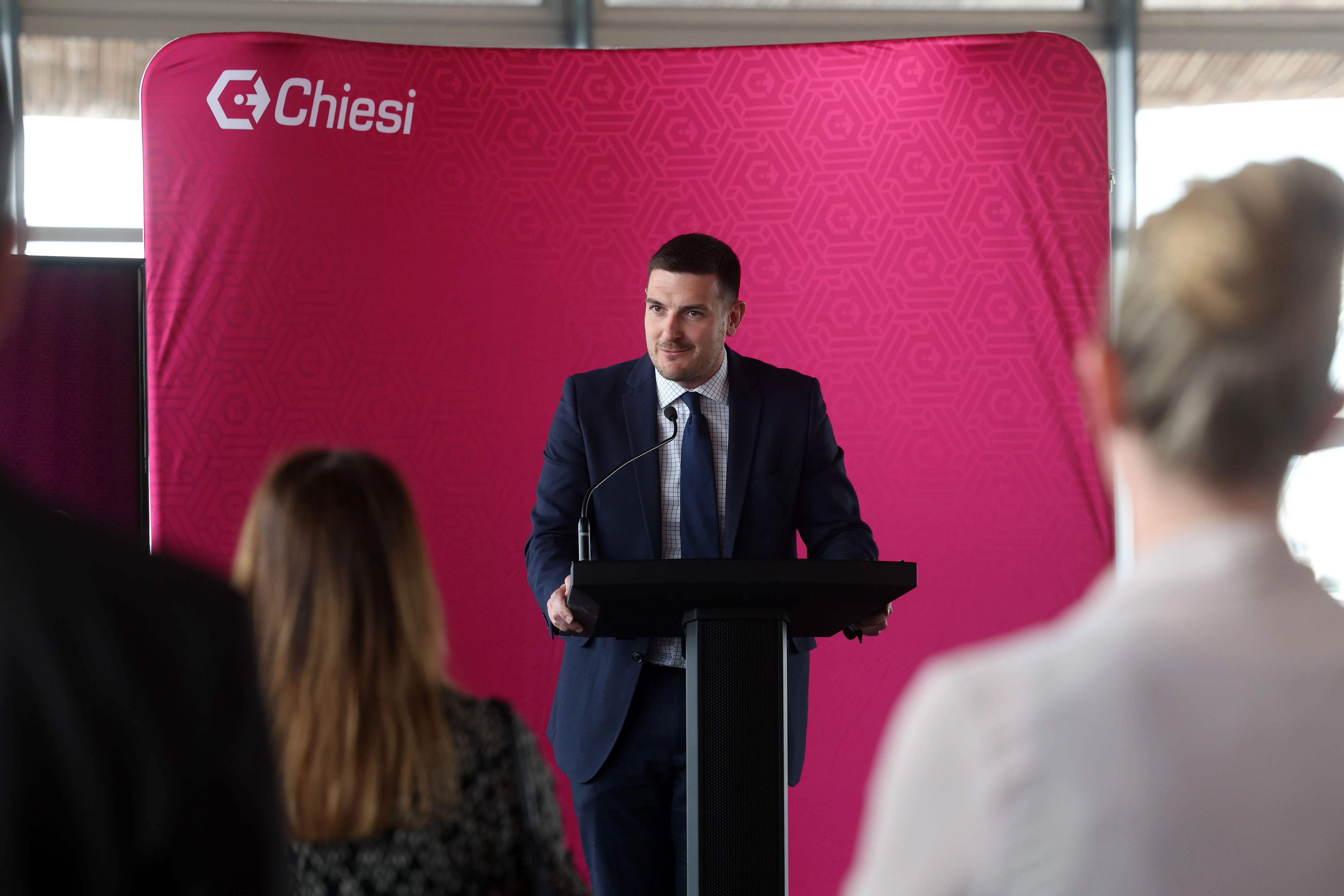
Look Beyond the Bias is an ongoing commitment. We will update this page as further insights become available.
Please check back from time-to-time.
If you are an organisation interested in getting involved, please contact communications.uk@chiesi.com.
References
- Rise Up UK. The youth unemployment picture in Manchester. Available at: https://www.riseupuk.org/post/the-youth-unemployment-picture-in-manchester
- UK Youth. Harmful stereotypes of young people fuelling record numbers to fall out of work. Available at: https://www.ukyouth.org/2024/11/harmful-stereotypes-of-young-people-fuelling-record-numbers-to-fall-out-of-work/
- Van Carroll LS, Krepelka P, Hoyle K, Iqbal K, Kenny T. “True Faces of Rare”: Preferences for authentic imagery in disorder-specific materials by people living with rare diseases and their communities. Rare [Internet]. 2025 Feb 20;3:100070. Available at: https://www.sciencedirect.com/science/article/pii/S2950008725000146
- Ruparel M, López-Campos JL, Castro-Acosta A, Hartl S, Pozo-Rodriguez F, Roberts CM. Understanding variation in length of hospital stay for COPD exacerbation: European COPD audit. ERJ Open Res. 2016;Mar 5;2(1):00034-2015
- Asthma and Lung UK. COPD in the UK: Delayed diagnosis and unequal care. Available at: https://www.asthmaandlung.org.uk/conditions/copd-chronic-obstructive-pulmonary-disease/world-copd-day/delayed-diagnosis-unequal-care
- Opinium surveyed 1148 UK adults who have experienced a pre-mature birth or living with at least one of the following chronic health conditions: Chronic Obstructive Pulmonary Disease (COPD), Asthma, Liver or Kidney transplant, Epidermolysis Bullosa, Fabry Disease or Alpha-Mannosidosis. The survey was conducted between 24th March - 24th April 2025
UK-CHI-2600726 | October 2026