
Between 2025 and 2026, there were over four thousand liver and kidney transplants in the UK.1 For many, transplantation is a life-line - a second chance they have waited for, often for years.2 But after the transplant has provided this second chance, there is significant variation in the lives recipients go on to lead. Factors including ethnicity, age, gender and socioeconomic status can all influence the outcomes that follow, with evidence showing that post-transplant outcomes are not experienced equally.3
For many transplant recipients, these challenges are experienced within the wider context of social deprivation, which can further shape outcomes over time.
Explore our work in post-transplant care below.
PIONEER

POST-TRANSPLANT OUTCOMES IN MANCHESTER
Manchester faces some of the highest levels of deprivation in England, with a significant proportion of neighbourhoods among the most deprived nationally. Greater Manchester ranks sixth for overall deprivation and fifth for the proportion of neighbourhoods in the most deprived 10%.3 Living in these circumstances can make recovery and long‑term management after a transplant more difficult.4 Socioeconomic disadvantages are associated with higher levels of existing health conditions, reduced access to ongoing healthcare support, and greater challenges in managing long‑term treatment and follow‑up care. Together, these factors can contribute to poorer post‑transplant outcomes and an increased risk of complications over time.4,5
Addressing these challenges requires a shift towards more targeted, personalised approaches that reflect both clinical and social need. It also means acknowledging variation in how post‑transplant care is experienced and better supporting transplant patients in managing their care long term.
PIONEER (Post-Transplant Initiative for Optimising Nurse-led Engagement & Empowering Recovery) is a collaborative working project between Chiesi and Manchester University NHS Foundation Trust, designed to support more personalised post transplant care for patients who live in areas of high socioeconomic deprivation, as identified by the Index of Deprivation (IOD). The project aims to offer personalised pharmacological and non pharmacological support and guidance, strengthen shared decision making, and ensure patients have meaningful opportunities to share their experiences and priorities as part of their ongoing care.
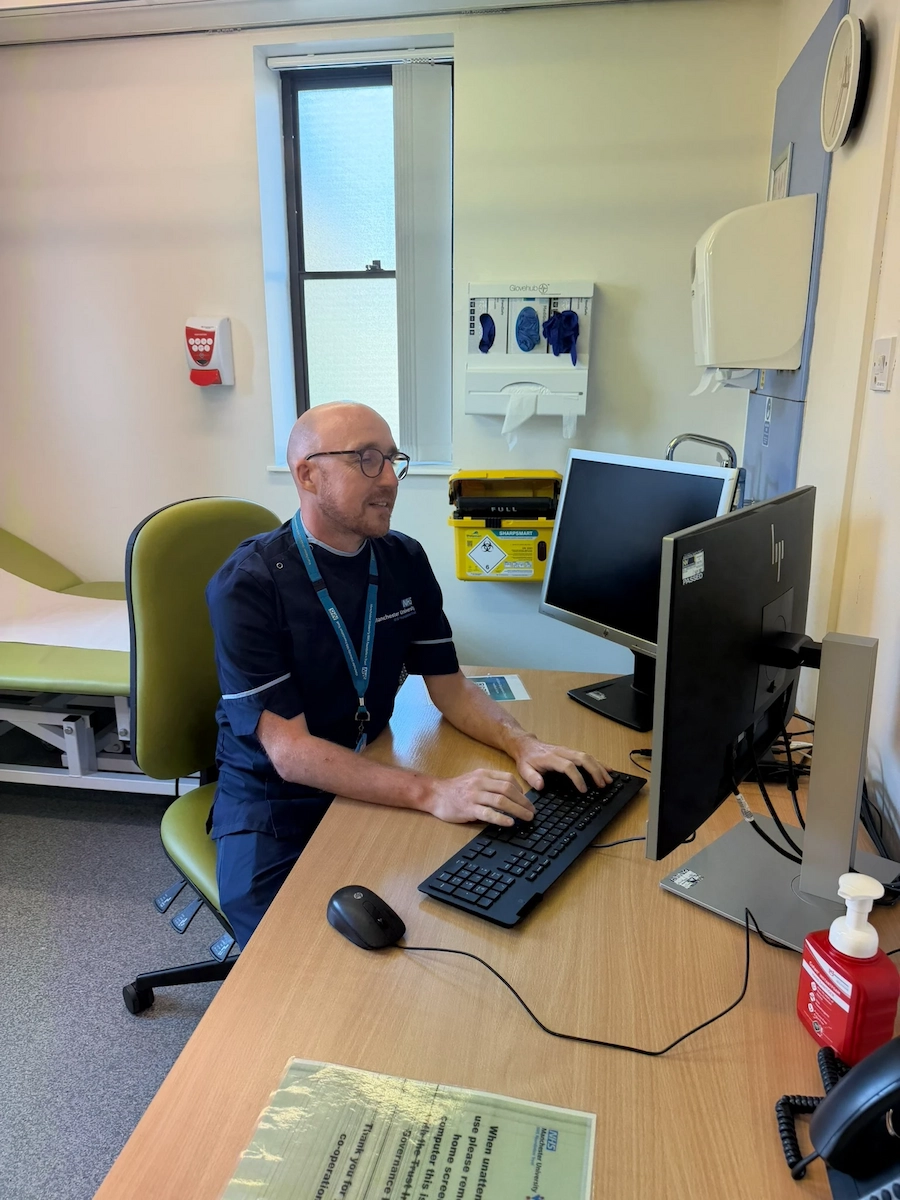
Traditionally, post-transplant reviews at Manchester Royal Infirmary have been conducted by surgeons during routine follow-up appointments, reflecting established models of care. Through PIONEER, a targeted nurse-led clinic model will be introduced for eligible patients, enabling more time for discussion, education and support. This approach is intended to support more personalised follow‑up, including the identification of patients who may benefit from closer review. It also supports improved understanding and adherence, alongside holistic guidance tailored to individual circumstances.
The PIONEER project is currently underway and will run for 24 months from January 2026. We will update this page when further insights become available.
Please click here to read the executive summary of the project.



References
- Statistics about organ donation. NHS Organ Donation. 2025. Available at: https://www.organdonation.nhs.uk/about-organ-donation/statistics-about-organ-donation/
- NHS Blood and Transplant. How Long Is the Wait for a kidney? Organ transplantation - NHS Blood and Transplant. 2021. Available at: https://www.nhsbt.nhs.uk/organ-transplantation/kidney/receiving-a-kidney/how-long-is-the-wait-for-a-kidney/
- CDRC. Index of Multiple Deprivation (IMD) | CDRC Data [Internet]. data.cdrc.ac.uk. Consumer Data Research Centre; 2020. Available at: https://data.cdrc.ac.uk/dataset/index-multiple-deprivation-imd
- Lukas Ponette, Karolien Wellekens, Koshy P, Vranken A, Vanhoutte T, Kuypers D, et al. Socioeconomic Deprivation and Kidney Transplant Outcomes. Kidney International Reports [Internet]. 2026; 11(2):103667–7. Available at: https://pmc.ncbi.nlm.nih.gov/articles/PMC12769133/
- Guthrie GD, Bell S. Deprivation and kidney disease-a predictor of poor outcomes. Clin Kidney J. 2019 Nov 6;13(2):128-132. Available at: https://pmc.ncbi.nlm.nih.gov/articles/PMC7147306/pdf/sfz151.pdf
UK-CHI-2600728 | October 2026